- Have any Questions?
- +919446239984
- +918593933100
- info@monarchdentalcare.in

Is Root Canal Treatment Always Required to Fix a Damaged Tooth? All You Need to Know About RCT

Dental Implants vs Dental Bridges: Which Is Better for Missing Teeth?
September 21, 2026
Beyond Cavities: 7 Early Warning Signs Your Teeth and Gums Shouldn’t Ignore
November 6, 2026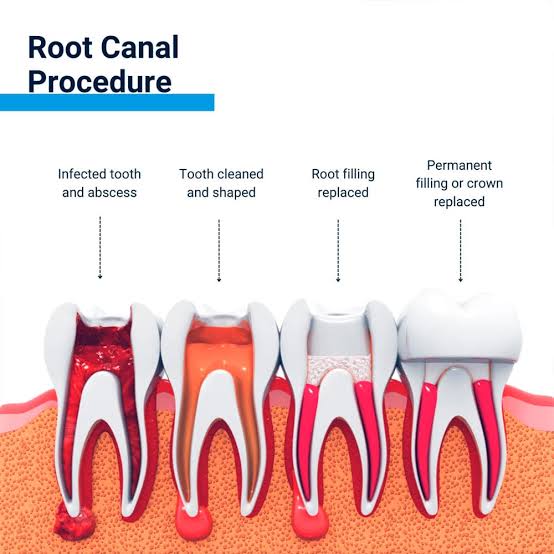
A damaged tooth can cause anything from mild sensitivity to severe pain, but does every damaged tooth require a root canal treatment?
The answer is no.
Root canal treatment, commonly known as RCT, is required only when the soft tissue inside the tooth, known as the dental pulp, becomes severely inflamed, infected, or damaged beyond its ability to heal. Many damaged teeth can be restored using simpler treatments such as fillings, crowns, or other restorative procedures.
Understanding when a root canal is actually necessary can help you seek treatment early and potentially prevent the problem from becoming more serious.
What Is Root Canal Treatment?
Root canal treatment is a dental procedure used to save a tooth when the pulp inside it has become infected or irreversibly damaged.
The pulp contains nerves, blood vessels, and connective tissue. When bacteria reach this area through deep decay, cracks, trauma, or other damage, it can result in inflammation and infection.
During root canal treatment, the dentist or endodontist removes the infected or damaged pulp, carefully cleans and disinfects the root canals, and seals them to prevent further infection.
The tooth is then restored, often with a dental crown when necessary, so that it can continue to function normally.
Does Every Damaged Tooth Need a Root Canal?
No. The treatment required depends on the extent and location of the damage.
If the damage affects only the outer layers of the tooth and the pulp remains healthy, root canal treatment may not be necessary.
For example, minor tooth decay may often be treated with a filling, while a fractured or weakened tooth may require a dental crown or another restorative treatment.
Root canal treatment becomes necessary when the damage has reached the pulp and caused irreversible inflammation or infection.
When Is Root Canal Treatment Usually Required?
Your dentist may recommend RCT when there is significant damage or infection inside the tooth.
Common situations include:
Deep Tooth Decay
When cavities are left untreated, decay can gradually progress through the enamel and dentin until bacteria reach the pulp.
Once the pulp becomes severely infected or irreversibly inflamed, a simple filling may no longer be enough.
Severe or Persistent Toothache
Persistent pain, especially pain that occurs without an obvious trigger or becomes severe while chewing, may indicate inflammation or infection inside the tooth.
However, tooth pain can have several causes, so a dental examination is necessary before deciding whether RCT is required.
Prolonged Sensitivity to Hot or Cold
Temporary sensitivity does not automatically mean you need a root canal.
However, sensitivity that is intense or continues for some time even after the hot or cold stimulus has been removed may indicate deeper pulp involvement.
Cracked or Fractured Tooth
Some cracks affect only the outer structure of the tooth and can be restored without RCT.
If the crack extends deep enough to damage or expose the pulp, root canal treatment may be required before the tooth is restored.
The treatment decision also depends on whether the tooth can be predictably saved.
Dental Trauma
A fall, accident, or blow to the mouth can damage the pulp even when the tooth does not appear severely broken.
In some cases, the nerve may gradually lose vitality following trauma, requiring treatment later.
Swelling or Dental Abscess
An infection inside the tooth may sometimes spread into the surrounding tissues and cause swelling, tenderness, pus formation, or an abscess.
Root canal treatment may be recommended to remove the source of infection if the tooth is suitable for restoration.
Signs That You May Need a Root Canal
Possible warning signs include:
- Persistent or severe toothache
- Pain while biting or chewing
- Lingering sensitivity to hot or cold
- Swelling around the gums
- A pimple-like swelling on the gums
- Tooth discolouration following trauma
- Deep decay or a large cavity
- Tenderness around a particular tooth
It is important to remember that not every tooth requiring root canal treatment causes severe pain.
In some cases, the nerve inside the tooth may have already lost vitality, meaning the patient experiences little or no pain even though infection is present.
How Does a Dentist Decide Whether You Need RCT?
A dentist does not determine the need for root canal treatment based on pain alone.
A proper assessment may involve:
- Discussing your symptoms
- Examining the tooth and surrounding gums
- Checking sensitivity and tenderness
- Testing how the tooth responds to temperature or other pulp vitality tests
- Evaluating the tooth while biting
- Taking dental X-rays
- Assessing cracks, decay, previous restorations, and remaining tooth structure
These findings help determine whether the pulp is healthy, reversibly irritated, irreversibly inflamed, or no longer vital.
This is why getting the tooth professionally examined is important rather than assuming that every painful or damaged tooth requires RCT.
Root Canal or Not? The Right Diagnosis Matters
A damaged tooth does not automatically mean root canal treatment.
Some teeth may only require a filling, crown, or other restorative treatment, while others may need RCT because infection or irreversible pulp damage has already developed.
The most important step is getting the tooth evaluated at the right time.
If you are experiencing persistent tooth pain, sensitivity, swelling, a cracked tooth, or a deep cavity, consult a dentist for a complete examination. Early diagnosis can often make treatment simpler and help preserve your natural teeth for longer.
Protect Your Natural Teeth with Timely Dental Care
Ignoring a damaged or painful tooth can turn a manageable dental problem into a more complicated one.
Whether you require a simple filling, a crown, root canal treatment, or another procedure depends entirely on the condition of the tooth.
Early diagnosis. Appropriate treatment. Better chances of saving your natural tooth.