- Have any Questions?
- +919446239984
- +918593933100
- info@monarchdentalcare.in
The Hidden Connection Between Oral Health and Overall Health

Beyond Cavities: 7 Early Warning Signs Your Teeth and Gums Shouldn’t Ignore
November 6, 2026
Clear Aligners vs. Traditional Braces: Understanding the Differences
November 19, 2026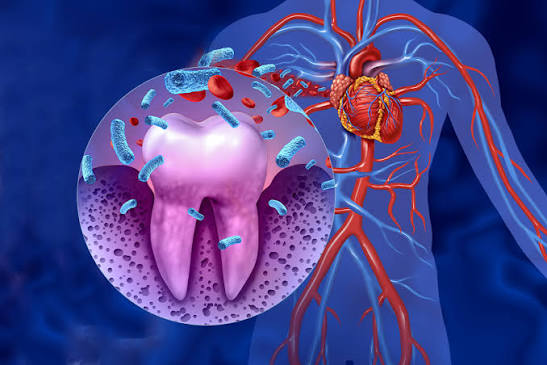
Oral health is closely connected to the rest of the body. The mouth is not an isolated system; it contains teeth, gums, saliva, blood vessels, nerves, and a complex community of microorganisms. Because of this connection, changes in oral health can have effects beyond the mouth, while certain general health conditions can also influence the health of the teeth and gums.
The relationship between oral and general health is particularly important when considering inflammation and infection. Gum inflammation is associated with the accumulation of dental plaque and can affect the tissues surrounding the teeth. When oral inflammation becomes persistent, it represents more than a local dental concern and may be relevant to overall health. However, associations between oral conditions and systemic diseases do not necessarily mean that one directly causes the other.
Oral Health and the Cardiovascular System
Research has identified associations between periodontal disease and cardiovascular conditions. Chronic inflammation and other biological processes have been investigated as possible links between oral and cardiovascular health. At the same time, cardiovascular disease has multiple contributing factors, including genetics, lifestyle, age, and other health conditions.
This means that the presence of gum disease should not automatically be interpreted as evidence that a person will develop cardiovascular disease. The relationship is complex, and researchers continue to study the mechanisms involved. Maintaining good oral health remains an important component of general health, regardless of these ongoing scientific questions.
Oral Health and Diabetes
The connection between oral health and diabetes is another important area of research. People with diabetes may have a higher risk of developing gum problems, particularly when blood glucose levels are not well controlled. At the same time, significant periodontal inflammation has been associated with challenges in maintaining healthy blood glucose levels.
This relationship can work in both directions, making oral health particularly relevant for people living with diabetes. It also demonstrates why dental health should be considered alongside other aspects of long-term health rather than viewed as a separate concern.
Oral Health During Pregnancy
Pregnancy can bring several physiological and hormonal changes that may affect the mouth. Some pregnant individuals experience increased gum sensitivity, swelling, or bleeding. These changes can make oral health monitoring particularly important during pregnancy.
Pregnancy-related oral changes do not mean that every pregnant person will experience dental problems. Individual factors, existing oral health, hygiene practices, diet, and hormonal changes can all influence the condition of the teeth and gums.
The Mouth as an Indicator of Health
The mouth can sometimes provide clues about broader health changes. Certain nutritional deficiencies, immune-related conditions, hormonal changes, and other systemic issues may produce signs that are noticeable in the oral cavity. This is one reason dental examinations can provide information that extends beyond teeth and gums.
However, an oral symptom alone is not sufficient to diagnose a systemic condition. A qualified healthcare professional needs to consider the person’s medical history, symptoms, examination findings, and other relevant information before reaching a conclusion.
Why Oral Health Deserves Attention
Oral health contributes to everyday functions such as eating, speaking, and maintaining comfort. It can also intersect with broader areas of health through inflammation, infection, nutrition, and systemic conditions.
For this reason, oral health should be considered part of overall health rather than something separate from it. Regular dental assessment and appropriate oral hygiene practices are important, while any concerns about the relationship between oral symptoms and general health should be discussed with the relevant healthcare professional.