- Have any Questions?
- +919446239984
- +918593933100
- info@monarchdentalcare.in

Clear Aligners vs. Traditional Braces: Understanding the Differences

The Hidden Connection Between Oral Health and Overall Health
November 19, 2026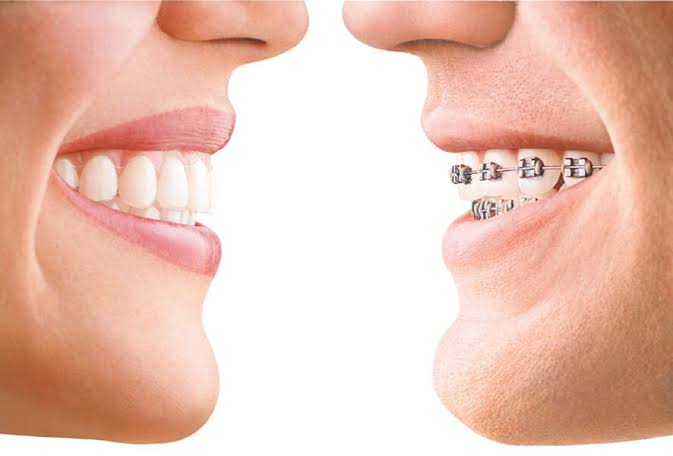
Orthodontic alignment is an important aspect of dental health because the position of teeth can influence oral hygiene, bite function, chewing, and overall dental comfort. Clear aligners and traditional braces are commonly associated with correcting tooth-position and bite-related concerns, but they differ considerably in their design, appearance, daily maintenance, and practical considerations. Understanding these differences can help patients have more informed discussions with their dental professionals.
Advantages and Disadvantages to Consider
Clear aligners are designed to be less noticeable than conventional braces and can generally be removed when eating and during routine oral hygiene. This can make daily cleaning and eating more convenient for some individuals. However, aligners require consistent patient compliance because their effectiveness depends on wearing them as directed. They may also not be appropriate for every type or severity of orthodontic concern.
Traditional braces are fixed appliances that remain attached to the teeth throughout the orthodontic process. They have a long history of use and can address a wide range of tooth-position and bite irregularities. On the other hand, their visible brackets and wires may be a cosmetic concern for some people. They can also make cleaning around the teeth more demanding and may require adjustments to certain eating habits.
Neither option can be considered universally better. The suitability of an orthodontic approach depends on factors such as the individual’s dental condition, tooth position, bite relationship, oral health, age, lifestyle, and the complexity of the concern. A dentist or orthodontist is best placed to assess these factors and determine which approach, if any, is appropriate for the individual.
Appearance and Daily Lifestyle
One of the most noticeable differences is appearance. Clear aligners are generally designed to be discreet, whereas traditional braces have visible components attached to the teeth. For people who place a high priority on appearance during their orthodontic journey, this distinction may be an important consideration.
Daily routines can also differ. Clear aligners can be removed, which may make eating and cleaning the teeth more straightforward for some patients. Traditional braces remain in place, meaning food particles can collect around brackets and wires. Regardless of the type of orthodontic appliance, maintaining good oral hygiene is an important part of protecting the teeth and gums.
Comfort and Individual Variation
The experience of wearing an orthodontic appliance varies between individuals. Some people may experience temporary pressure, tightness, or sensitivity as their teeth respond to orthodontic forces. The presence of brackets, wires, or removable aligners can also feel unfamiliar initially.
The response of teeth and surrounding tissues is not identical for everyone. Factors such as individual anatomy, oral health, the complexity of tooth movement, and adherence to professional instructions can influence the overall experience.
Making an Informed Decision
Choosing between clear aligners and traditional braces is not simply a matter of appearance or convenience. Both have specific characteristics, advantages, and limitations, and neither is suitable for every patient or every orthodontic concern.
A dental professional should evaluate the individual’s teeth, gums, bite, oral health, and specific orthodontic requirements before determining whether an orthodontic approach is appropriate and which option best fits the patient’s circumstances. Patients should discuss their expectations, lifestyle preferences, and concerns with their dentist or orthodontist before making a decision.