- Have any Questions?
- +919446239984
- +918593933100
- info@monarchdentalcare.in
Beyond Cavities: 7 Early Warning Signs Your Teeth and Gums Shouldn’t Ignore

Is Root Canal Treatment Always Required to Fix a Damaged Tooth? All You Need to Know About RCT
October 28, 2026
The Hidden Connection Between Oral Health and Overall Health
November 19, 2026
Dental problems do not always begin with obvious pain or a visible cavity. Changes in the teeth, gums, mouth, or jaw can sometimes appear gradually, and some conditions may produce few noticeable symptoms in their early stages. Paying attention to changes in the mouth can help people recognise when a professional dental evaluation may be appropriate.
Not every unusual sensation or change indicates a serious dental problem. Temporary sensitivity, minor irritation, or occasional changes can have different explanations. The important factor is whether a symptom is persistent, recurring, worsening, or accompanied by other changes.
1. Persistent Tooth Sensitivity
Sensitivity to hot, cold, sweet, or acidic foods and drinks is relatively common. However, sensitivity that continues, becomes more frequent, or occurs without an obvious trigger deserves attention.
Tooth sensitivity can be associated with several factors, including changes affecting the tooth surface or the tissues around the tooth. The underlying reason cannot be determined from sensitivity alone, which is why persistent symptoms should be evaluated by a dental professional.
2. Bleeding or Swollen Gums
Healthy gums generally do not bleed regularly during normal oral hygiene. Repeated bleeding, redness, tenderness, or swelling can indicate inflammation of the gum tissues.
Occasional bleeding may have several possible explanations, but persistent gum changes should not simply be considered normal. Gum health is an important part of overall oral health because the gums provide support and protection for the structures surrounding the teeth.
3. Persistent Bad Breath
Bad breath can occur temporarily after eating certain foods or when the mouth becomes dry. However, persistent or recurrent unpleasant breath may sometimes be associated with oral conditions.
Bacteria, plaque accumulation, gum problems, dry mouth, and certain dietary or general health factors can contribute to changes in breath. Persistent bad breath therefore deserves attention, particularly when it occurs alongside other oral symptoms.
4. Changes in the Appearance of the Teeth
Changes such as dark spots, unusual discolouration, cracks, chips, rough surfaces, or visible alterations in the shape of a tooth can have different causes.
Some changes may be associated with everyday factors, while others can indicate changes within the tooth or surrounding structures. Appearance alone cannot establish the underlying cause, so a professional assessment may be necessary when a noticeable change persists.
5. Tooth or Jaw Pain
Dental pain can range from mild and occasional discomfort to persistent or severe pain. It may occur when eating, drinking, biting, or even when the mouth is at rest.
Pain can originate from different structures, including the teeth, gums, jaw, or surrounding tissues. Because the same symptom can have multiple possible causes, persistent or unexplained dental pain should not be ignored.
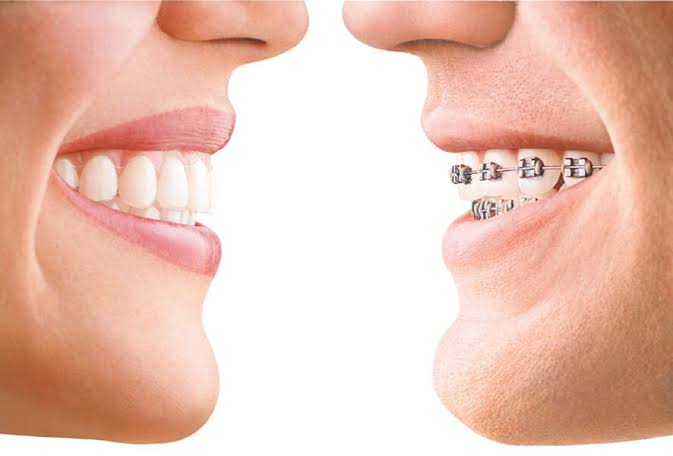
6. Changes in the Way Your Teeth Fit Together
A noticeable change in the way the upper and lower teeth meet can be significant. People may notice that their bite feels different, certain teeth make contact differently, or the jaw feels uncomfortable during chewing.
Changes in bite can have various explanations, including changes in tooth position, dental wear, or other factors affecting the teeth and jaw. A dentist can assess the bite and surrounding structures to determine whether the change requires further attention.
7. Sores or Changes in the Mouth That Do Not Resolve
Small mouth sores are common and often resolve on their own. However, a sore, lump, patch, thickened area, or other unusual change that persists or repeatedly returns should be evaluated.
Persistent changes in the mouth can have many possible causes, and most are not necessarily serious. Nevertheless, an oral examination is important when a change does not resolve within the expected period or is accompanied by other unusual symptoms.
When Should You Pay Attention?
The presence of one of these signs does not automatically mean that a serious dental condition is present. What matters is the pattern, duration, severity, and combination of symptoms.
Regular dental examinations can help identify changes that may not yet be causing noticeable discomfort. If you observe a persistent or unusual change in your teeth, gums, mouth, or jaw, discussing it with a dentist can help establish the cause and determine whether any further evaluation is appropriate.